The first frost rarely announces itself. One morning the lawn is white, the dahlias are black, and the zucchini you meant to pick on Tuesday has turned to mush. By then, most of the decisions have already been made — which is why the useful work happens in the two or three weeks before. What follows is a working checklist of twelve jobs, ordered roughly by priority. None takes long on its own. Together they decide how much of a head start you get next spring, and how much life your garden holds through the coldest months.
Perennials: cut, divide, or leave standing
Most fall cleanup advice tells you to cut everything to the ground and haul it away. That's tidy, and it's also the fastest way to evict the insects you spent the summer attracting. Better to sort your plants into two groups and treat them differently.
Cut back what has collapsed
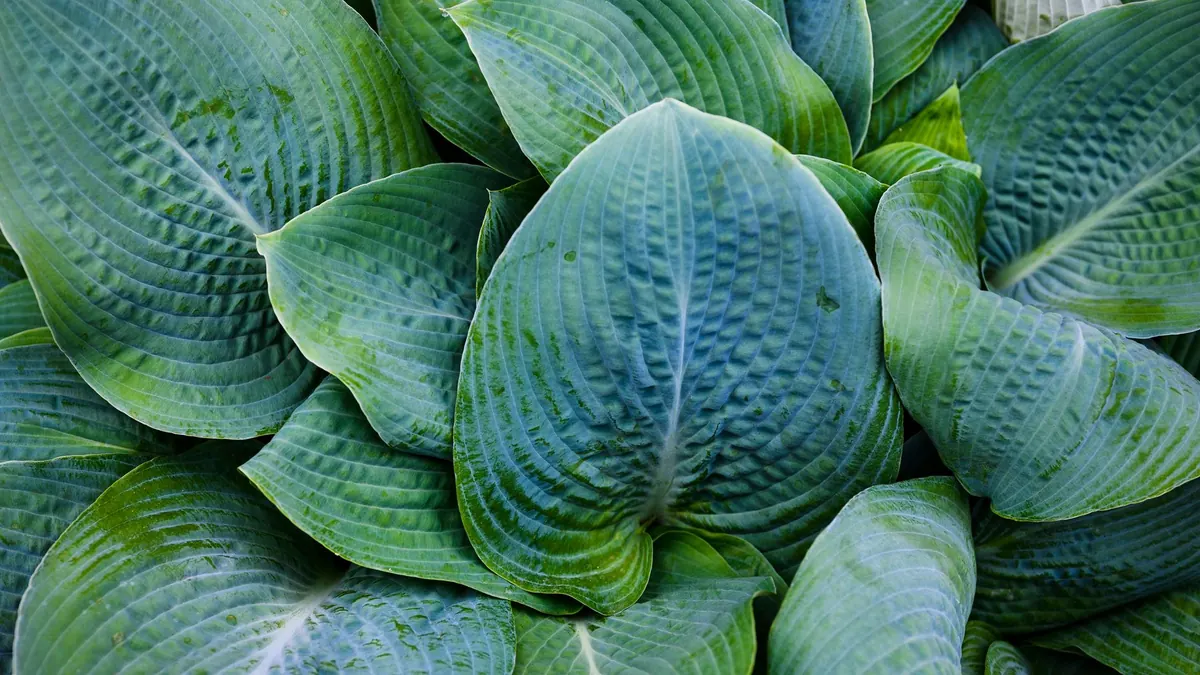
Hostas, peonies, daylilies, phlox and most hardy geraniums turn yellow, flop, and lie on the soil looking tired. Cut those to two or three inches and compost the foliage — unless it was diseased, in which case it goes in the trash. Peony leaves with black spot, tomato and zucchini vines, and rose prunings all belong in the bin, not the pile. Home compost rarely gets hot enough to kill fungal spores.
Leave the structure and the seedheads
Coneflowers, sedum, allium, asters and ornamental grasses earn their keep in winter. The seedheads feed goldfinches and chickadees. The stems catch frost and hold a shape against the snow. And hollow stems — bee balm, Joe Pye weed, raspberry canes — are where many small native bees spend the winter.
If it still holds a seedhead, a silhouette, or a hollow stem, it stays.
If you want the beds to look deliberate rather than abandoned, cut those plants back to twelve or eighteen inches and stack the trimmings in a loose pile behind a shrub. Come spring, once you've had a week of nights above fifty degrees, cut them to the ground. That timing matters more than it sounds: cut too early and you throw out the emerging insects along with the stems.
Divide spring and summer bloomers
Fall is the second-best season for dividing — the soil is warm, the air is cool, and roots still have time to settle. Daylilies, phlox, hostas and bearded iris all respond well, provided you finish at least four weeks before your first expected frost. Lift the clump with a fork, split it with two forks back to back or a sharp spade, and replant the outer, livelier pieces. Water them in and mulch lightly.
Soil: the quiet work
The soil does more over winter than most gardeners give it credit for. Freeze and thaw cycles break up compacted ground, earthworms keep working in all but the hardest frost, and anything you spread on top in October is closer to being humus by April. Three rules keep you out of trouble.
- Don't dig wet soil. Squeeze a handful; if it forms a ball that holds its shape, wait. Working soggy ground destroys the structure you've been building for years and leaves you with clods like bricks.
- Top-dress rather than till. An inch or two of compost spread over beds is enough. Pull annuals at soil level instead of ripping out roots, and let the root channels stay open.
- Cover bare ground. Winter rye, crimson clover or field peas in vegetable beds are ideal if you sow early enough. Too late for that? A thick layer of chopped leaves or straw does most of the same job.
Plant garlic four to six weeks before the ground freezes — it roots in autumn and finishes in July. Turn the compost pile one last time, add a bucket of shredded leaves for carbon, and leave it alone. If your soil has never been tested, autumn is a good time to take samples: labs are less busy, and you'll have results before spring planting.
Trees, shrubs, and the hardscape
Woody plants don't go dormant so much as slow down, and dry roots in frozen ground are what kills them in a cold, windy winter. Water evergreens and any tree or shrub planted in the last two years deeply — a slow soak, not a sprinkle — right up until the ground freezes.
Then mulch two to three inches deep, keeping it a hand's width away from trunks. Piling mulch against bark invites rodents and rot. Young trees usually don't need staking unless they're in a windy spot; if you do stake, use soft ties that won't girdle the trunk, and plan to remove them within a year. An evergreen on a windy west or south exposure benefits from a burlap screen.
Tender bulbs come in after the first light frost blackens their foliage. Lift dahlias, cannas and gladioli, let them dry somewhere airy for a few days, then store them in slightly damp peat or sand in a cool, frost-free spot. Empty terracotta pots before they crack, drain and coil hoses, and shut off outdoor faucets if your area freezes.
Tools: twenty minutes, ten years of use
Tool care is the job everyone skips and everyone regrets. Do it before the tools go on the hook, while the soil is still fresh enough to remind you what they've been through.
- Scrape packed soil off pruners, loppers, spades and forks with a wire brush.Photo: 대정 김 / Pexels