A dry summer doesn't have to mean a brown garden. Many of the perennials that flower hardest in July and August evolved on rocky hillsides and steppe grasslands where rainfall is scarce to begin with. Give them the conditions they already prefer and they will ask almost nothing from the hose. The trick is choosing the right plants, putting them in the right spot, and then resisting the urge to pamper them. What follows are eight dependable drought-tolerant perennials, what each one wants, and how to carry them through the first, vulnerable year.
What "Drought-Tolerant" Really Means
Drought tolerance is a root system, not a label. A mature Russian sage or lavender sends roots deep enough to find moisture long after the surface has baked dry, but it has to grow those roots first. In year one, every plant on this list still needs regular water. The difference is that once established, you can back off entirely.
Two other conditions matter as much as water. These plants want lean soil — excess fertility pushes soft, floppy growth that wilts in the heat — and they want drainage. In heavy clay, most of them rot in winter rather than die of thirst in summer.
Eight Perennials Worth Planting for Dry Summers
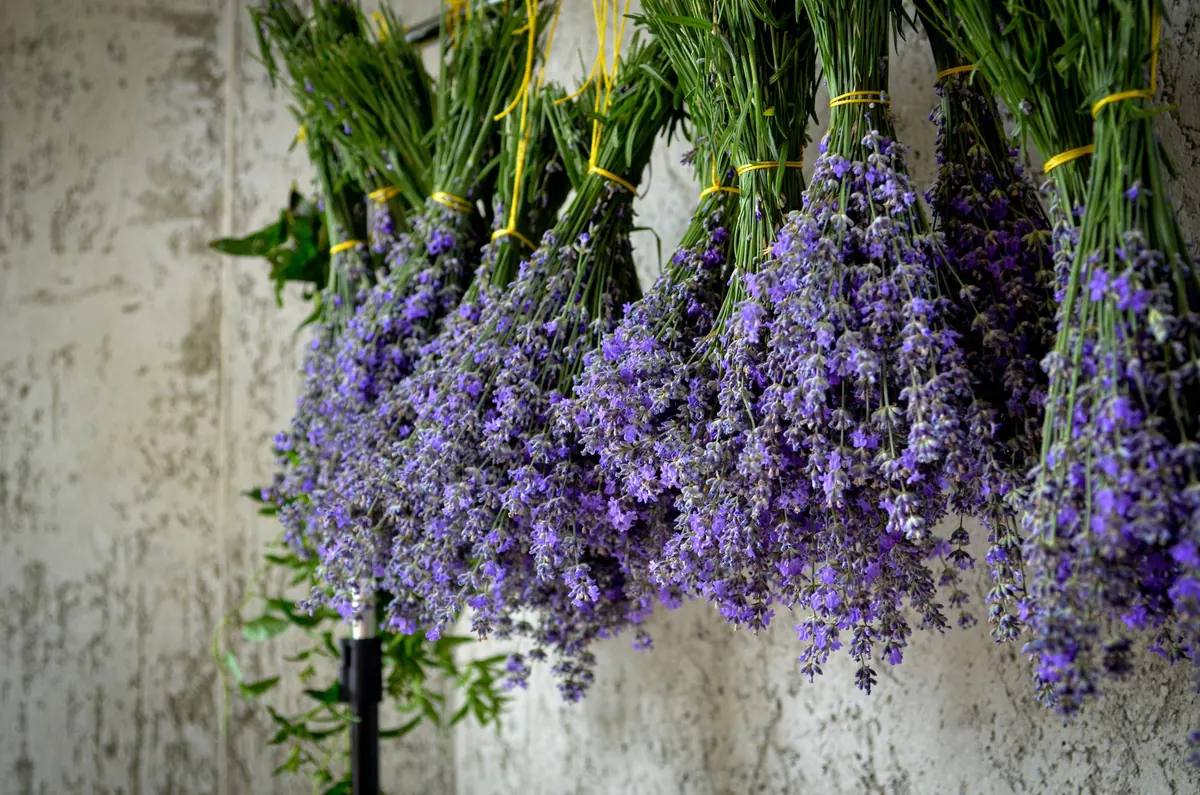
1. Lavender
Full sun, six hours or more, in the hottest spot you have. English lavender and its hybrids want gritty, well-drained soil, neutral to slightly alkaline. On clay, plant on a slight mound and work in coarse grit. Space 18 to 24 inches apart, or up to 30 inches for larger hybrids. Water deeply every 7 to 10 days through the first summer, then stop. Shear lightly after flowering, but never cut back into bare old wood.
2. Coneflower (Echinacea)
Full sun with a little afternoon shade tolerated. Average to poor soil that drains but holds some moisture; it copes with clay better than most on this list. Space 18 to 24 inches. Blooms from midsummer into frost, and the seed heads feed goldfinches through winter. Divide clumps every four or five years when flowering thins.
3. Yarrow (Achillea)
Full sun all day. Yarrow is happiest in lean, sandy or gravelly soil — enrich it and the stems flop. Space 18 to 24 inches. Cut the first flush of flowers back to the basal leaves and it will bloom again. Spreads steadily by runners, so give it room or divide in spring.
4. Stonecrop (Sedum and Hylotelephium)
Sharp drainage is non-negotiable; gravel is ideal. Full sun brings the sturdiest stems. Space 18 to 24 inches for the tall autumn types, closer for low groundcover sedums used at path edges. The flat late-summer flower heads are a magnet for bees. Leave the dried stems standing through winter, then cut back in early spring.
5. Russian Sage (Perovskia)
Full sun, lean ground, and excellent drainage. In rich soil or shade it stretches and topples. Space 24 to 36 inches to allow for its airy spread. Its silver stems and blue flowers run from midsummer into autumn. Cut plants back hard to 6 to 12 inches in late winter or early spring.
6. Blanket Flower (Gaillardia)
Sandy, lean, well-drained soil in full sun. Space 12 to 18 inches. It flowers from early summer to frost, holds up on hot slopes and hell strips, and often self-seeds where it's happy. Individual plants can be short-lived, so let a few seedlings replace them.
7. Catmint (Nepeta)
Average to poor, well-drained soil in full sun or light shade. Space 18 to 24 inches, or 30 inches for larger cultivars. Shearing the plant by half after the first bloom produces a second flush and keeps it tidy as an edging. Deer tend to leave it alone.
8. Agastache (Hummingbird Mint)
Well-drained, lean, gritty soil and full sun. Space 18 to 24 inches. Bloom runs from midsummer to frost, and few plants draw hummingbirds and bees as reliably. In heavy clay it sulks and disappears after a season, so plant it on a mound and let it self-seed nearby.
Three Mistakes That Kill Drought-Tolerant Plants
- Overwatering. More of these plants drown than dry out. Lavender, Russian sage and agastache rot quickly in soggy soil.
- Filling the planting hole with compost. You want better drainage, not richer soil. Amend clay with coarse grit instead.
- Planting in a low spot. Water collects there in winter, when cold, wet roots do the most damage.
Getting Them Established in Year One
- Plant at the right time. Spring after the last frost, or early autumn with six to eight weeks before hard frost. Avoid planting in the heat of midsummer.
- Water deeply, less often. Every other day for the first two weeks if it doesn't rain, twice a week for the next month, then once a week through the rest of the first summer. Soak the root zone rather than sprinkling the surface.
- Check before you water. Push a finger two inches into the soil. If it feels damp, wait a day. Aim for the base of the plant, in the morning, not overhead in the evening.
- Mulch with coarse material. Two to three inches of bark, gravel or composted leaves, kept a couple of inches clear of the crown. Gravel suits lavender, sedum and Russian sage especially well.
- Skip the fertilizer. Lean growth is compact, sturdy and better able to shrug off heat and wind.
- Leave the seed heads. They feed birds, hold winter structure, and in the case of coneflower and agastache they may give you free replacements. Cut everything back in late winter.
Water Well Once, Then Walk Away
Start with three plants rather than eight, and put them where you will actually see them dry out. Water attentively for one season, keep the mulch topped up, and let the second summer test them. By the third year you should be able to leave for a fortnight in August and come home to flowers rather than a pile of straw. That is the real reward of planting for dry summers — not just less watering, but a garden that holds its shape while you are somewhere else.