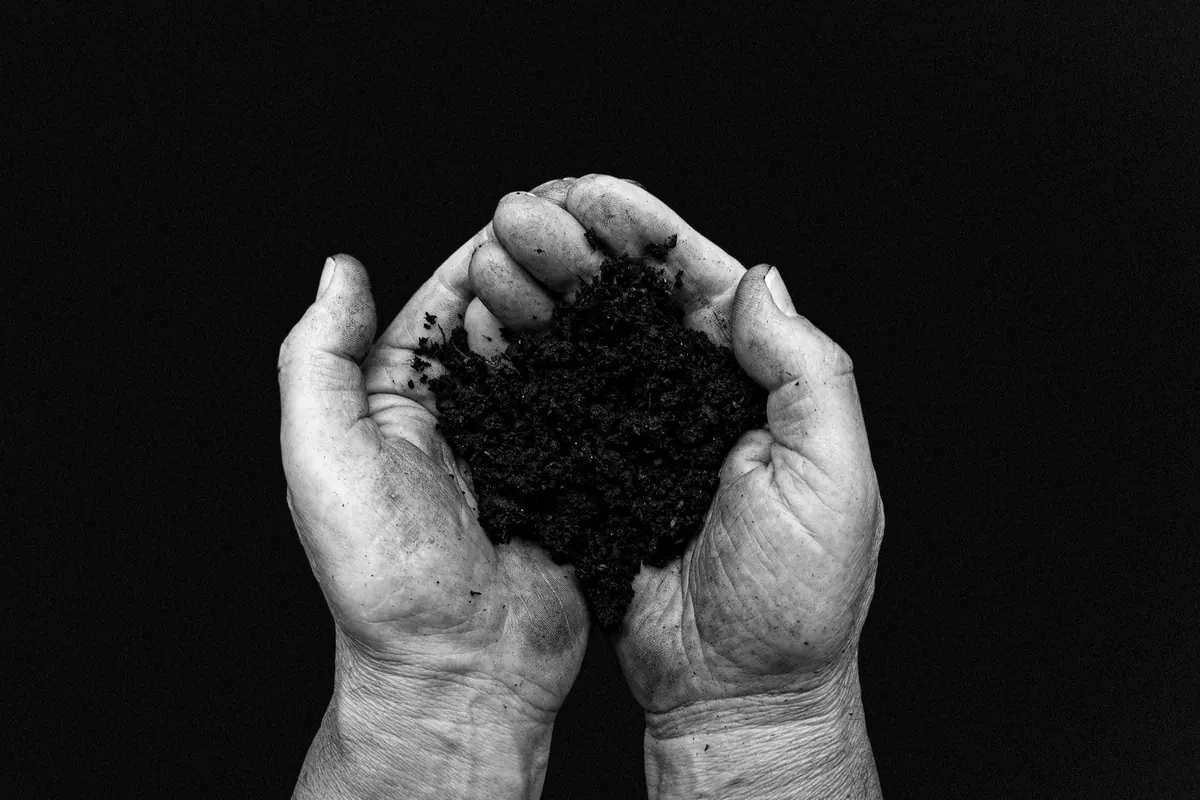
You plant a tomato in decent-looking soil, water it faithfully, feed it, and it still sulks. The leaves yellow between the veins. Growth stalls. Fertilizer doesn't fix it. Often the culprit isn't light or water or pests, but something invisible that's been sitting under your fingernails the whole time: the pH of your soil.
pH is the number that decides whether the nutrients already in your ground are available to roots or locked up tight. Get it roughly right and plants mostly look after themselves. Get it wrong and you can pour on the fertilizer all season without much to show for it.
What the pH Scale Really Tells You
The scale runs from 0 to 14, with 7 sitting in the middle as neutral. Below 7 is acidic, above 7 is alkaline, and most garden soils land somewhere between about 4.5 and 8.5.
The important part is that the scale is logarithmic. Each whole number is a tenfold change. So moving from pH 6.5 to 5.5 isn't a gentle nudge, it's a tenfold increase in acidity. That's why small-looking differences in a test result matter.
Two forces push soil in opposite directions. Rain, decayed leaves, and years of organic matter gradually acidify soil, which is why woodland and high-rainfall areas tend toward the sour end. Limestone bedrock, chalk, and rubble from old concrete push things alkaline, which is common in drier regions and areas built on limestone. Your soil's starting point owes a lot to local geology, and that's before you've added a single bag of anything.
Acidic Soil: Who Thrives and Who Sulks
Slightly acidic soil, roughly pH 6.0 to 6.5, is the sweet spot for the majority of vegetables and ornamentals. Nitrogen, phosphorus, and potassium are all at their most available there, and the soil's microbial life is busy.
Push below pH 5.5 and problems start. Aluminium and manganese become soluble enough to damage roots. Phosphorus binds tightly to iron and aluminium compounds and drifts out of reach. Calcium and magnesium get leached away by rain. If your soil is naturally very acid and nothing seems to grow well, that's usually what's happening underground.
But some plants have evolved to love it. Grow these where the needle rarely leaves the acid side:
- Blueberries, which need roughly pH 4.5 to 5.5 and rarely crop well above that
- Rhododendrons, azaleas, camellias and pieris, all ericaceous shrubs with the same appetite
- Heathers, mountain laurel and most ferns
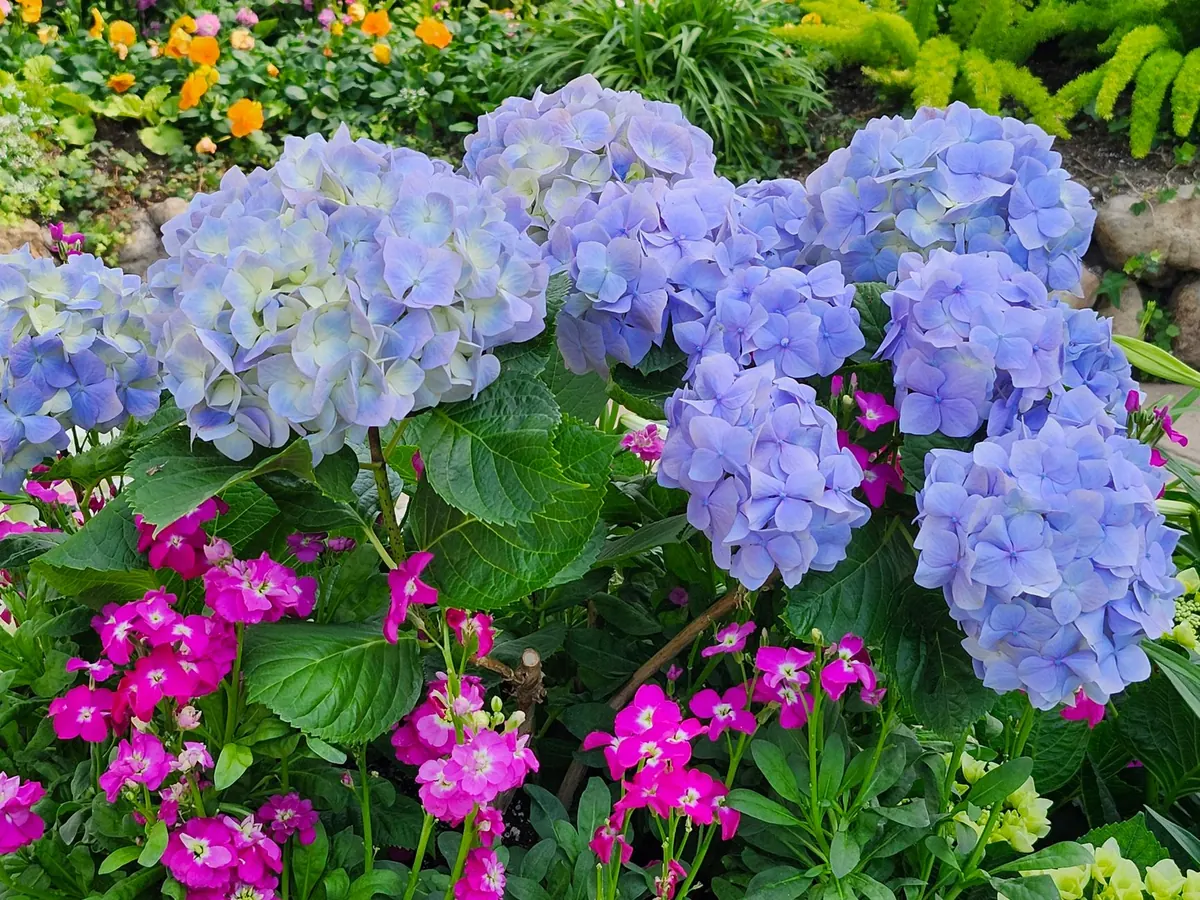
- Hydrangeas, which turn blue in acid soil because aluminium is available to the roots
- Potatoes and strawberries, both happier on the acid side than most vegetables
Alkaline Soil: The Other End of the Scale
Above pH 7, iron, manganese, zinc and boron become progressively less available. The classic sign is interveinal chlorosis: leaves that go yellow between green veins while the veins themselves stay dark. Acid-lovers planted in alkaline ground show it first, and no amount of general fertilizer will correct it.
Phosphorus also gets tied up with calcium in alkaline soil, so plants can look hungry even in ground that tested as fertile. There's a quiet upside, though: clubroot, a disease that plagues brassicas in acid soil, is far less of a problem once pH climbs above 7.
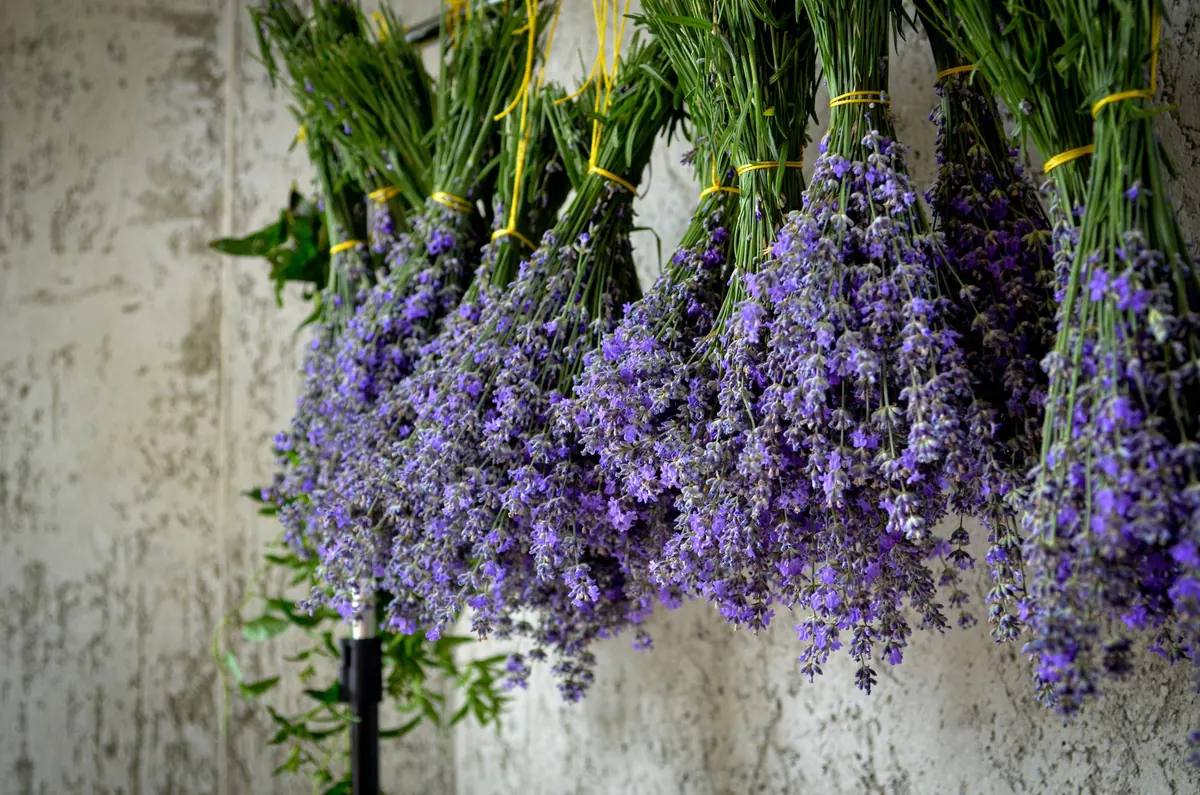
Plants that genuinely like the limey end include lavender, rosemary, thyme, oregano, sage, clematis, lilac, buddleia, and most of the cabbage family, along with beets, spinach, asparagus, onions, garlic and carrots. Hydrangeas in alkaline soil turn pink rather than blue, which is a useful tell if you've never tested.
Healthy plants are a better indicator of suitable pH than any number on a chart. If something is thriving, the soil is fine for it, whatever the test says.
How to Test Your Soil at Home
You don't need a laboratory to get a useful reading. A few options, from cheapest to most thorough:
- Test strips or colour-comparison kits. Inexpensive and quick. Mix soil with distilled water in the ratio the kit specifies, let it settle, and compare the liquid against the chart. Good enough to tell acid from alkaline.
- Digital meters. Convenient, but cheap ones drift badly. If you buy one, calibrate it with buffer solution and check it against a strip before trusting it.
- The two-jar pantry test. Put a spoonful of soil in vinegar. If it fizzes, you have free lime and the soil is likely alkaline. In a second jar, mix soil with water and a spoonful of baking soda. If that fizzes, the soil is acidic. It won't give you a number, but it's a genuinely useful first clue.
- A proper lab test. Worth the money if you also want to know about nutrients, organic matter and lead. Take samples from about 15cm down in several spots around the bed, mix them together, let them dry, and label clearly.
Test in autumn if you can. That leaves the whole dormant season for any adjustment to work before spring planting.
Changing pH Without Wrecking Your Beds
First, be honest about whether you need to. A slightly off number with healthy plants is not a problem worth solving. Chasing a perfect reading causes more damage than a soil that sits half a point away from ideal.
If you do need to move it, go slowly. Garden lime, either calcitic or dolomitic, raises pH. Apply it in autumn, work it into the top few inches, and expect months before you see the full effect. Elemental sulfur lowers pH, but it works through soil bacteria, so it needs warmth and moisture and can take a season or more. Follow the label rates for your soil type rather than guessing, and never shift things more than about a point at a time.
Two things not to do: don't dump wood ash around acid-lovers, because it pushes pH up, and don't count on pine needles or coffee grounds to acidify a bed. They're fine mulch, but their effect on pH is small. Compost is the better long-term tool, since organic matter buffers pH and keeps it steadier.
A Practical Plan for the Season Ahead
Test your main beds once, in autumn, and write the results in a notebook alongside the bed names. Group your plants by preference: acid-lovers together, lime-lovers together, everyone else in the middle. Then decide whether to adjust the soil or simply plant something better suited to it.
If you're stuck with alkaline ground and desperate for blueberries, grow them in containers or a lined raised bed filled with ericaceous compost. That's far easier than trying to acidify a whole border, and it works. For everything else, mulch with compost each year, keep the soil covered, and retest every two or three years. Soil moves slowly, and usually in your favour once you stop fighting it.
Photo: Francesco Sommacal / Pexels