Deadheading is the cheapest way to get more roses. There's no feed to mix, no spray to apply, no complicated schedule — just a sharp pair of pruners and a few seconds per stem. Cut a fading bloom off in the right place and the plant answers by pushing out a new shoot with a fresh bud at its tip. Skip it, and the rose puts that energy into forming hips, and flowering slows or stops altogether.
The catch is that "the right place" changes with the rose. A hybrid tea wants a different cut than a climbing rose or a shrub rose in a mixed border. Here's how to read the plant and make the cut with confidence.
Why Deadheading Works — and When to Skip It
Repeat-flowering roses — most modern hybrid teas, floribundas, shrub roses, and many climbers — are bred to bloom in waves. Left alone, each spent flower matures into a hip, and the plant shifts into seed production. Remove the flower head before that happens and you redirect the energy into the next round of growth.
Not every rose benefits. Once-blooming roses, which include many old garden roses, species roses and ramblers, flower on wood grown the previous year. They won't bloom again until next spring no matter what you do. Deadhead them only if you want a tidier look. If you like the hips for winter colour and birds, leave them alone. Both choices are fine.
Find the Five-Leaflet Leaf
Look below a spent bloom and you'll see leaves in two forms: small sets of three leaflets close to the flower, and larger sets of five (sometimes seven) leaflets further down the stem. Cut just above a five-leaflet leaf.
Why that leaf? It's more mature, and the bud sitting in its axil — the crotch between leaf and stem — is developed enough to break into new growth quickly. The three-leaflet leaves higher up are still young, and cutting back to them tends to give you a weaker, slower shoot.
The cut itself:
- Use sharp bypass pruners. Anvil pruners crush and tear stems.
- Make a slanted cut about a quarter inch above the leaf set, angling down and away from the bud.
- Choose a leaf set facing outward, away from the centre of the bush, so the new shoot grows into open air instead of crossing the middle.
- Don't leave a long bare stub above the leaf. It dies back, and that dead tissue invites cane borer and dieback.
Where to Snip on Different Rose Types
Hybrid teas
These usually carry one flower per stem on a long cane. Cut back to the first strong five-leaflet leaf below the bloom, which often means removing 6 to 12 inches of stem. On a young plant, or in the middle of a heatwave, cut shorter — just to the first five-leaflet leaf. On a vigorous plant, you can go a little lower to keep the bush in shape.
Floribundas and cluster bloomers
Floribundas open in sprays of several flowers on one stem, and the flowers in a cluster don't fade at the same rate. Wait until the whole cluster has gone over, then cut the entire stem back to a five-leaflet leaf or to a strong outward-facing shoot lower down. Picking off individual blooms one at a time leaves you with a messy stem of half-dead flowers.
Shrub and landscape roses
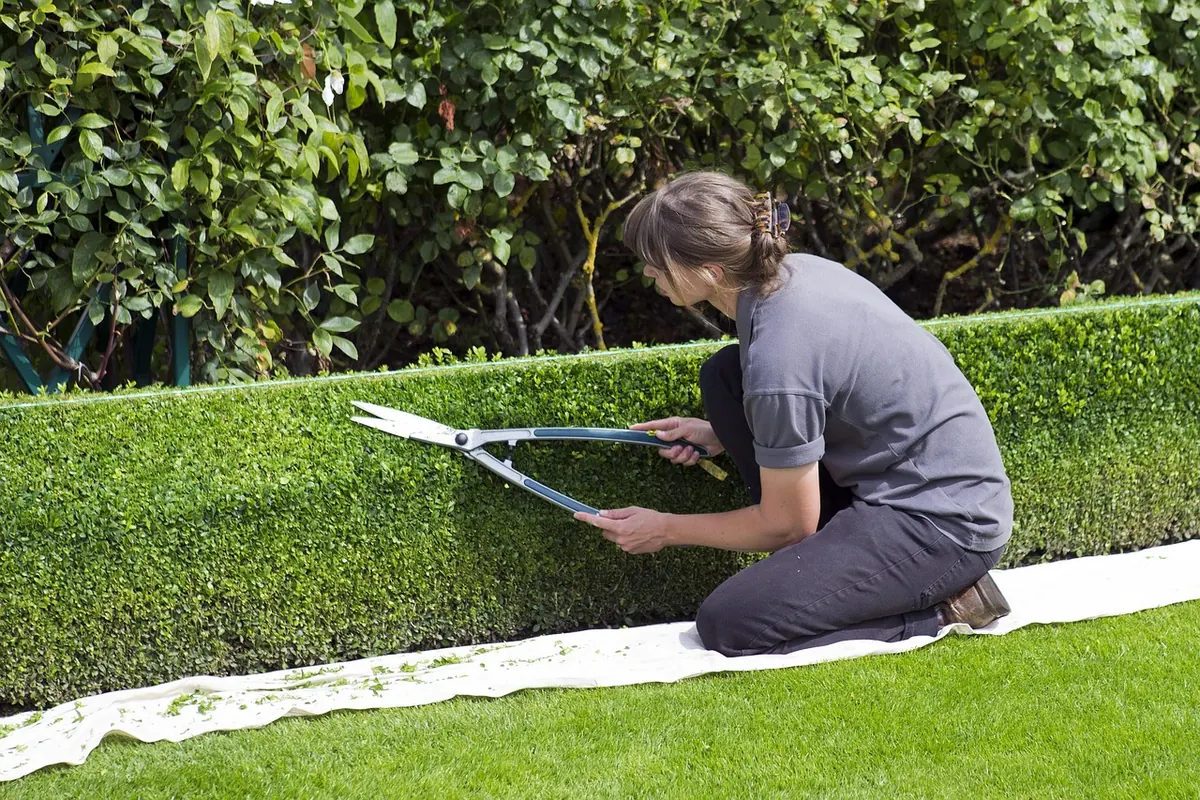
Roses like the Knock Out series and other landscape shrubs are forgiving. The simplest method is to snap or clip the spent flower cluster off just above the first set of leaves beneath it. When a whole flush has finished, you can take hedge shears and shear the bush back by roughly a third. It will flush again.
Climbers and ramblers
Don't treat a climbing rose like a hybrid tea. Its long canes are the structure that carries next year's flowers, and cutting into them costs you bloom. Deadhead repeat-flowering climbers by removing only the flower and a short length of stem, back to a side shoot or a five-leaflet leaf. Never cut into the main framework just to tidy up a single faded bloom.
Old garden roses and once-bloomers
These bloom once, then stop. Snip the spent flowers if you want a neat shrub; leave them if you want hips. Either way, no amount of deadheading will produce a second flush, so don't spend your summer chasing it.
How Often to Deadhead
During the main flowering season, walk the garden with pruners every two or three days. In hot weather a bloom can go from perfect to brown in 48 hours, and a bush covered in brown petals isn't just ugly — it's a plant that has already decided to stop flowering. Once a week is a minimum. Every other day is better on heavy repeat bloomers.
Through the year it looks like this:
- Spring and summer: deadhead freely as each flush finishes. This is when you'll get the most return.
- Late summer: in cold-winter climates, start tapering off. Let the last flowers stand so the plant isn't pushing soft new growth that won't harden before frost.
- Autumn: stop entirely about six to eight weeks before your first expected frost if you want hips, or simply leave the final blooms alone.
After a good deadheading session, water the plant and give it a light feed according to the directions on your rose fertiliser. New growth costs energy, and you've just asked for a lot of it.
Mistakes That Stop Repeat Flowering
- Cutting too high. A long bare stub above the leaf dies back, and the new shoot starts even further down than you intended.
- Cutting too low into old wood. The plant takes longer to recover, and you've thrown away flowering wood for no reason.
- Cutting to an inward-facing bud. The new cane grows into the centre of the bush, where it rubs and crowds.
- Deadheading a once-bloomer and waiting for more. It won't happen. Save the effort for the roses that repeat.
- Letting hips form on repeat bloomers. Every hip left to ripen tells the plant the season is over.
- Chopping a climber's main canes. Shortening the framework is the fastest way to lose next year's flowers.
- Working with dull or dirty blades. Torn stems heal slowly and invite disease. Wipe the blades with rubbing alcohol between plants if you've been cutting anything that looks sick.
- Yanking thick stems with your fingers. Snapping works on soft shrub rose stems, but on anything woody you'll strip bark and split the cane.
Make It a Habit
The reason most gardeners fall behind on deadheading isn't difficulty — it's that the pruners live in the shed. Keep a pair by the back door, or carry a small bucket around the garden while you water and drop the spent blooms in as you pass. Ten minutes every few days is all it takes.
Compost the cuttings unless the plant showed signs of disease, in which case bin them. And remember the point of all this: a rose that never sets seed keeps trying to flower. Deadhead consistently through the season, feed and water well, and you'll get wave after wave of bloom instead of one good show in June and a tired bush by August.
Photo: RonPorter / Pixabay